
The Smart Player's Guide to iGaming: Slots, Poker, and Betting
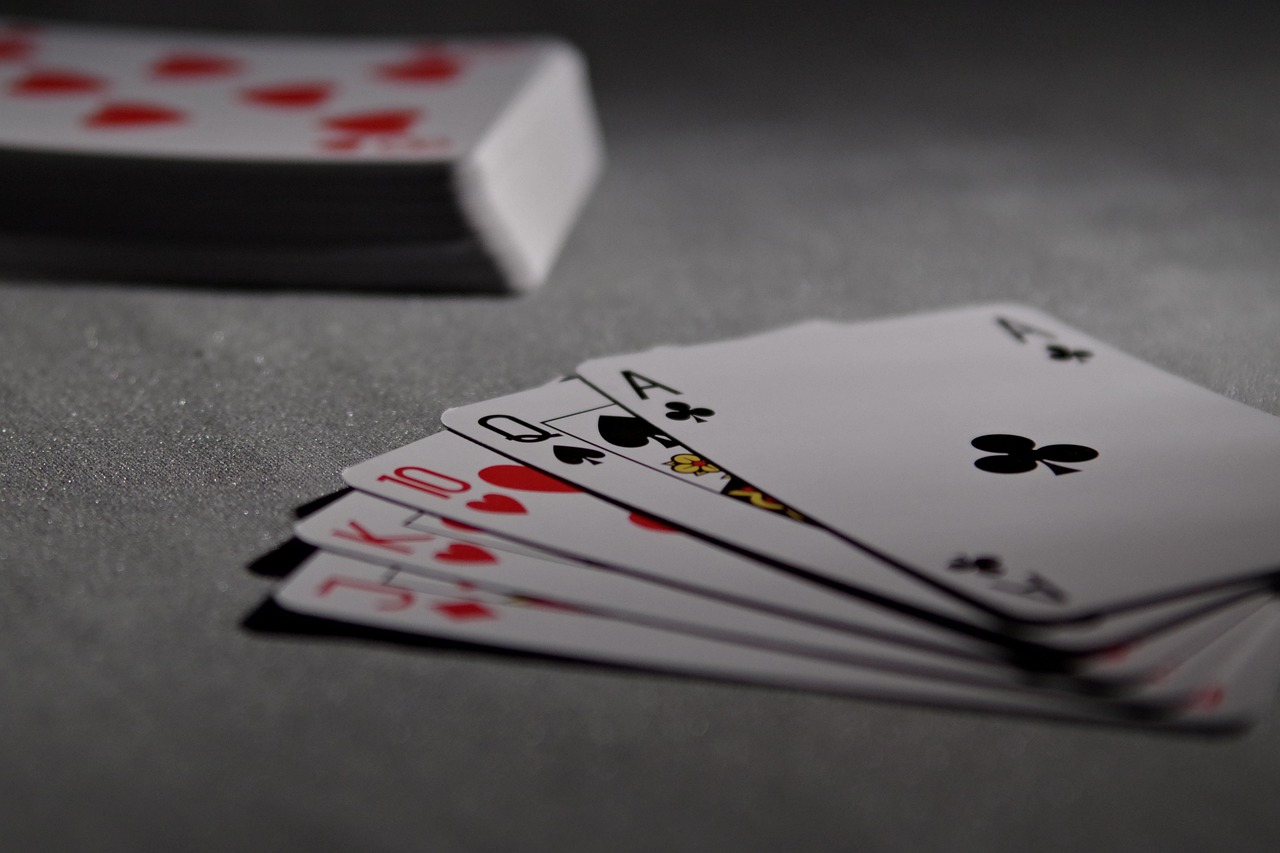
You've got a hunch. Maybe it's a parlay, maybe it's a gut feeling about a slot machine, or maybe you just want to bluff your way through a poker hand. Whatever your poison, the iGaming world is vast, loud, and full of shiny distractions. But beneath the neon and the bonus banners lies a simple truth: the house always has an edge, and your job is to find the few moments where you can flip that script. This isn't about luck. It's about informed decisions. Let's cut through the noise and talk about what actually matters when you're playing slots, betting on sports, or sitting at a virtual poker table.
Slots: It's Not Just a Pull of the Lever
Modern slots are engineering marvels wrapped in bright colors and catchy soundtracks. But here's what the game doesn't tell you: every spin is independent. There's no such thing as a machine being 'due' for a payout. That's the gambler's fallacy, and it's cost more people more money than any bad beat.
What you can control is the volatility and the return-to-player (RTP) percentage. RTP is the theoretical amount returned to players over millions of spins. A 96% RTP slot returns $96 for every $100 wagered, on average. But that average plays out over a very long time. In a single session, variance rules. You can read more about it on สล็อตเว็บตรง.
High-volatility slots like Book of Dead or Bonanza pay out less often but can hit huge. Low-volatility games like Starburst or Blood Suckers pay smaller amounts more frequently. Your choice depends on your bankroll and your appetite for risk.
- Check the RTP: Anything below 95% is a hard pass for serious play. The best online casinos list RTP in the game info.
- Understand volatility: High variance means you need a bigger bankroll to survive dry spells.
- Use bonuses wisely: A 100% match up to $200 sounds great, but read the wagering requirements. 40x on a slot with 94% RTP is a grind.
- Set a loss limit: Decide before you play how much you're willing to lose. When it's gone, it's gone.
And please, don't chase losses. The machine doesn't know you. It doesn't care. It's a random number generator. Respect it.
Poker: Where Skill Eats Luck for Breakfast
Poker is the only game in the casino where you play against other people, not the house. That's the good news. The bad news? Those other people are trying to take your money, and some of them are very good at it. But here's the thing: online poker, especially at micro-stakes, is beatable. You just need to plug the leaks.
Start with position. Playing too many hands from early position is the classic beginner mistake. In a 6-max game, you should be folding a lot from the first two seats. Tight is right. From the button, you can open up your range dramatically because you act last on every post-flop street. Information is power.
Then there's bet sizing. A lot of new players bet the same amount every time. Don't do that. Your bet should tell a story. If you flopped a set, you want to build a pot. If you're bluffing, you want to bet enough to fold out draws but not so much that you risk your whole stack on a prayer.
Here's a simple drill: pick one leak and work on it for a week. Maybe it's calling too many 3-bets out of position. Maybe it's not value betting thin enough on the river. Track your hands with software like PokerTracker or Hold'em Manager. The numbers don't lie. If your VPIP (voluntarily put money in pot) is above 30% in 6-max, you're playing too loose. Tighten up.
- Play fewer hands from early position. If it's not a premium pair or a strong ace, fold.
- 3-bet more from the blinds. You're out of position, so you want to end the hand early or define your opponent's range.
- Stop bluffing calling stations. If they call everything, value bet them to death. Don't try to push them off a pair.
- Review your sessions. Look at your biggest losses. Were they coolers or mistakes? Most are mistakes.
Bankroll management is non-negotiable. Never buy into a cash game with more than 5% of your total poker bankroll. For tournaments, it's 2% or less. This keeps you from going broke during a downswing, and downswings will happen.
Sports Betting: The Art of the Line
Sports betting has exploded in the US, and with it, a flood of 'experts' on social media. Ignore them. The only thing that matters is the line, and whether you can beat it. The closing line is the most efficient prediction of the true probability of an outcome. If you consistently bet into lines that later move in your favor, you're doing something right.
But let's be realistic. You're not going to outsmart the market on NFL sides. The sharpest minds in the world are setting those lines. Where you can find an edge is in less popular markets. Player props, obscure soccer leagues, or live betting during a match. The key is to specialize. Don't bet on everything. Pick one or two sports and become an expert on a specific team or league.
Also, understand the vig. A standard -110 line means you need to win 52.4% of your bets just to break even. That's a high bar. If you're betting on favorites at -200, you need to win 66.7% of the time. Most public bettors lose because they bet on favorites and parlays. Parlays are lottery tickets. They're fun, but they're not a strategy.
Bankroll Management for Bettors
Your betting bankroll should be separate from your life savings. Treat it like an investment portfolio. Flat betting—betting the same amount on every play—is the safest way to survive. If you have a $1,000 bankroll, bet $20 to $30 per game. That's 2-3%. If you go on a cold streak, you won't wipe out. If you're on a heater, you won't get overconfident and start betting $200 on a hunch.
And never, ever bet on your favorite team. Emotion clouds judgment. You'll convince yourself that this is the week they finally beat the spread. It's not. Trust the numbers, not your heart.
The Bottom Line: Play Smart, Not Hard
iGaming is entertainment. If it stops being fun, stop playing. The house edge is real, and over time, it will grind you down if you're not careful. But with discipline, you can stretch your bankroll, reduce your losses, and maybe even book a small profit. Use bonuses to your advantage, track your results, and never chase. The best players aren't the ones who win every session. They're the ones who know when to walk away. And remember: the next spin doesn't know what the last one did. Play the long game.


Learn gentle questions and storage ideas to reduce sentimental clutter while keeping the stories and pieces that matter most.
Build a realistic schedule that covers kitchens, bathrooms, floors, and dusting, so your home stays consistently fresh without marathon sessions.
Use a simple two-cloth method, the right diluted solution, and a squeegee technique for clearer glass in every room.
Mix white vinegar, bicarbonate of soda, and lemon to tackle common messes with fewer harsh chemicals and less plastic waste.