
How to Organise Your Kitchen Pantry for Meal Planning
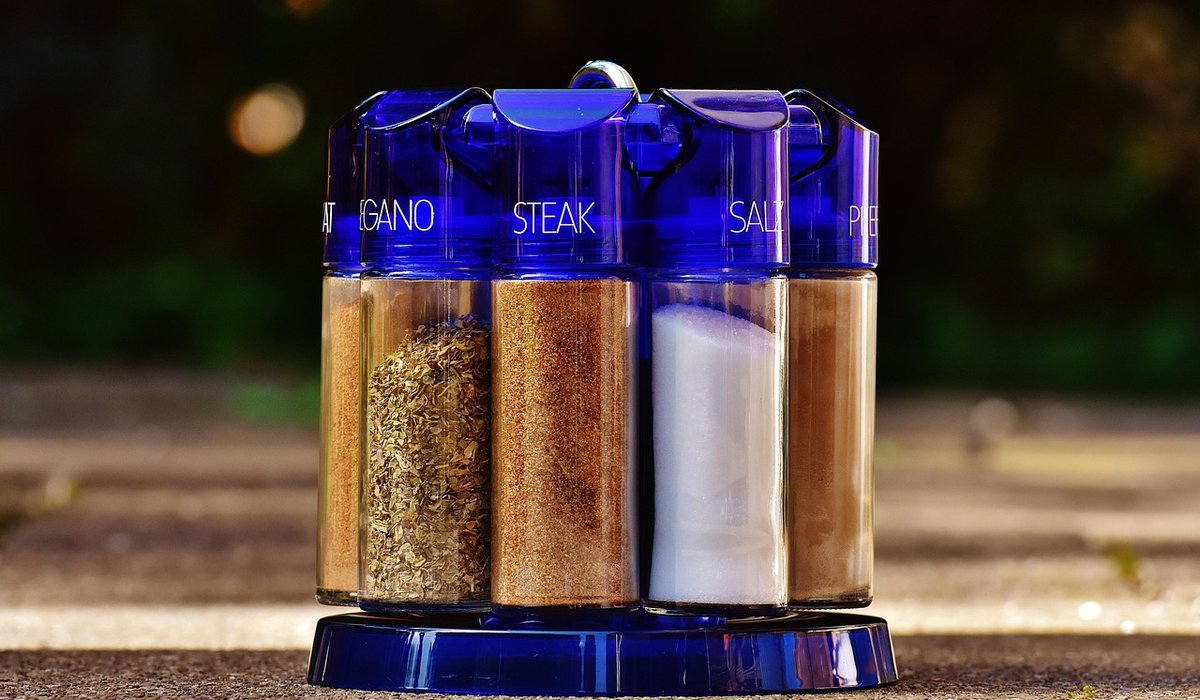
Begin with the meals you actually cook
A pantry that looks tidy but doesn't match your cooking is just decoration. Before you move a single jar, spend ten minutes with a pen and note the eight or ten meals that land on your table most weeks. For most households that's a rotation of pasta, stir-fries, traybakes, curries, soups and something on toast. Your staples should serve that rotation — not some imagined version of yourself who makes their own pasta on a Tuesday evening.
Once you have your list, empty the cupboard onto the worktop. Everything. Wipe the shelves while they're bare, then sort what you've pulled out into four piles: keep, bin (anything past its best, weevil-ridden or unidentifiable), pass on (unopened duplicates you'll never get through), and relocate (things that belong in the fridge, the baking drawer or the freezer).
Group by how you use things, not by what they are
Most organising advice tells you to put all the baking together and all the tins together. Practical advice says put things where your hand naturally goes. Try zones instead:
- Cooking zone — at eye level and within easy reach of the hob: oils, dried herbs, the spices you use weekly, stock cubes, garlic, tinned tomatoes, lentils, pasta and rice.
- Breakfast zone — porridge oats, cereal, jam, honey, marmalade, peanut butter, dried fruit.
- Baking shelf — plain and self-raising flour, caster sugar, icing sugar, baking powder, cocoa, vanilla, chocolate chips.
- Backstock — the top shelf, for the second bag of rice and the bulk lentils. Anything up there gets rotated down when the front line runs out.
Then create one shelf that does the heavy lifting on weekday evenings — a quick dinner shelf holding tinned beans, tuna, jarred pesto, noodles, couscous and a couple of pouches of soup. When you're tired and uninspired, that shelf is the answer. Somewhere near the front, keep a small "use me first" basket for opened packets, half-used bags of nuts and anything approaching its best-before date. You'll waste far less this way.
Decant dry goods — but do it properly
Decanting isn't really about matching jars on a shelf. It's about being able to see, at a glance, exactly how much rice you have left. Clear airtight containers keep weevils and damp out, stack without collapsing, and mean you're never caught out by an almost-empty bag halfway through a recipe.
A few rules that make it work:
- Choose square or rectangular containers. Round ones leave dead space on the shelf and never quite line up.
- Cut the cooking instructions and best-before date off the original packet and tape them to the jar, or write the date you opened it on a strip of masking tape. Flour, spices and nuts lose quality quietly.
- Keep the scoop or measuring cup inside the jar, so measuring takes one movement rather than three.
- Leave the things you use rarely — a bag of pearl barley, a packet of sushi rice — in their original packaging. Decanting only pays off for the things you reach for weekly.
- Write the contents on the front of the jar in large letters. It sounds obvious; you'll thank yourself at six o'clock when every label looks the same.
If you have a refill shop nearby, this is also the moment to start taking your own jars and containers along. Weigh them empty first, fill up, and you'll cut a surprising amount of packaging out of your weekly shop while often spending less on oats, rice, lentils and dried fruit.
Turn the pantry into a meal-planning tool
Here's where the real payoff lands. Once everything is visible and grouped, planning the week takes fifteen minutes rather than an hour, because you can see what needs using up.
Keep a running list on the inside of the cupboard door — a sheet of paper, a chalkboard, whatever you'll genuinely use. Three columns work well: running low, out, and for this week. The habit that matters is this: the moment you take the last tin of tomatoes or scrape out the final spoon of curry powder, it goes on the list. No mental notes, no trying to remember it in the shop.
Then try a Sunday reset. Open the pantry, look at the "use me first" basket, and pick two or three dinners that build on what's already there — a lentil curry that finishes the open coconut milk, a pasta bake that uses up the last of the cheese, a soup that clears the tired vegetables. Write those into the week, then build your shopping list around the gaps. You'll shop with focus, buy less that goes off, and stop coming home with a third bag of pasta you didn't need.
Keep it ticking over
An organised pantry isn't a one-off project; it's a system that needs a light touch. Once a month, spend ten minutes checking dates, wiping the shelves and pulling anything forward from backstock. Aim for a shelf where you can see the back — if you can't reach the rear without unpacking it, it's holding too much.
Buy in bulk only for things you genuinely get through. A five-kilogram bag of rice is a saving; a five-kilogram bag of something you use twice a year is clutter with a best-before date. When you do restock, put the new items behind the old ones — first in, first out, the same rule as any good kitchen.
Do this once and you'll notice the difference within a fortnight: fewer mid-week trips, less staring into cupboards, and more evenings where dinner comes together from what you already have.


Clear prep space by storing appliances, using wall hooks, and limiting everyday items to a tray or shallow basket.
Reduce visual noise, choose soft lighting, and keep surfaces clear to help your mind settle before bedtime each evening.
Swap clothes twice yearly, use matching hangers, and store out-of-season pieces in labelled boxes to save space and time.
Keep only a lamp, book, glass, and small tray on top, then use one drawer for essentials and a basket for odds and ends.